Rice fields (sawah) at the entrance to Gunung Kawi Temple
Gunung Kawi is an 11th-century temple and funerary complex in Tampaksiring 180 north east of Ubud in Bali, Indonesia., that is spread across either side of the Pakerisan river. It comprises 10 rock-cut candi (shrines) that are carved into some 7-metre-high (23 ft) sheltered niches of the sheer cliff face. These funeral monuments are
thought to be dedicated to King Anak Wungsu of the Udayana dynasty and his favourite queens. On the east side there are five temples that are dedicated, according to one theory, to King Udayana, his queen Mahendradatta, and their sons Airlanga, Anak Wungsu, and Marakata. The temples on the west side are dedicated, according to the same theory, to the king's minor queens or concubines.
Inscription: on the north shrine (east side) a legible inscription reads: "Haji Lumahing Jalu," meaning "the king made a temple here."
is a small island, located 5 miles to the north-west of Bali island and is part of the Indonesian archipelago. “Menjangan” in Indonesian means “Deer”. The name was given by the local population observing wild deer herds swimming to the island every spring and covering a distance of approx 1.2 miles.
Locality
Even though the island is a significant part of Bali Barat National Park, it is assigned to the Javanese administrative district and falls under its jurisdiction. The closest big cities are: Singaraja, located in the north of Bali and Banyuwangi, located on the eastern coast of Java. The closest settlement is Sumberkima village. The nearest airport is Letkol Wisnu regional (approx. 8 miles from the island).
Marine life at Pulau Menjangan (Menjangan Island), Bali
The island is considered to be an important part of the local tourism industry, because its marine fauna incorporates one of the best-preserved coral reefs in the area. All scuba-diving shops arrange daily trips to the island.
Landscape
The habitat is very varied with rainforest, dry savanna, acacia scrub and lowland forests, as well as more montane forests in the higher centre. There are also some pockets of dense mangrove forest.
In the north of the park there is an obvious north jutting peninsula called Prapat Agung.
Around this peninsula there are long stretches of protected beach and offshore coral reef as well, as a small offshore island called Menjangan. The latter is a very popular diving destination.
There are several long extinct volcanoes in the protected reserve area to the east, with Mount Patas (1,412 metres) and Mount Merbuk (1,388 metres) being the highest points. These peaks are dominant visual landscape features from within every area of the park.
Climate
Not noticeably different from the rest of Bali or eastern Java, but it may feel a little hotter and drier in the dry season here than in southern parts of Bali.
Bali is always warm, humid and tropical, remaining around 30-35°C (85-95°F) all year round. The April-October dry season and November-March rainy seasons are only relative, with plenty of rainfall around the year, but the Balinese winter is cloudier, more humid and with a higher chance of thunderstorms.
See and do at Pulau Menjangan (Menjangan Island), Bali
The official park trails should be explored with a guide recommended by the national park ofice. This is actually a rule but it is sometimes ‘quietly’ ignored. Please do not do this nor encourage the practice, despite the very irresponsible advice given in some printed travel guides to do so.
The Tegal Blunder Trail is most popular with birdwatchers, and it is an easy two hour walk. The ranger checkpoint is at the village of Slumber Klampok about 20 minutes west of Cekik. From the same checkpoint you can take the more strenuous Gunung Klatakan Trail to the south east. This is tougher walking for about five hours, but it takes you through some memorable rainforest. There are other trails and opportunities for interesting hikes, but these are the two most popular and the easiest. Ask guides about other opportunities at the time, particularly those involving hiking deeper into the Prapat Agung Peninsula.
The uninhabited Pulau Menjangan (Menjangan Island) is a must-do for any visitor to Bali interested in marine life, snorkelling or diving. Boats leave from the beach at Labuan Lalang at the northern edge of Teluk Terima bay, and can chartered on the day. Groups of tourists often club together at Labuan Lalang in the mornings for that very purpose. Any boat charter must be accompanied by a guide, and you must purchase a permit from the national park office in the main Labuhan Lalang car park. Many of Bali’s dive operators based in the southern tourist regions offer dive excursions specifically to Menjangan. The snorkelling here at Pulau Menjangan (Menjangan Island), Bali is probably the best on Bali with good clear water and calm seas.
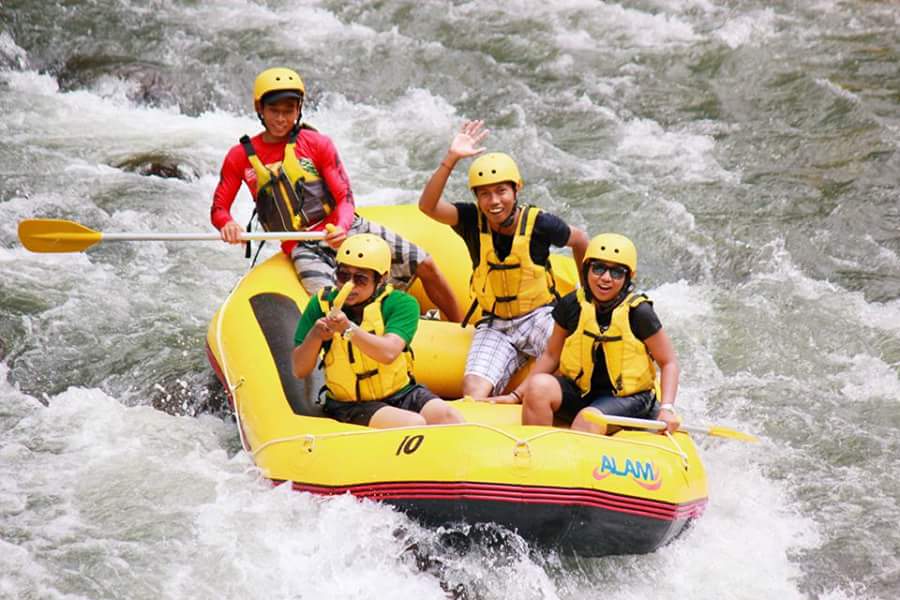
Most travelers who have vacations in Bali after have a lot of sun bathing, will do Bali outdoor adventure. The island of Bali has plenty kinds of outdoor adventure, one of the most favorite one is Bali water sports. One of the best Bali water sports that you can do is Bali rafting tours.
On this page, we will write for you about Telaga Waja River vs Ayung River for your white water rafting in Bali.
There are 3 main white water rivers in Bali being use as white water rafting Bali and there are:
Ayung River Ubud
Telaga Waja River
Melangit River
Only 2 of the rivers are most favourite by visitor to do white water rafting in Bali, which is Telaga Waja River and Ayung River Ubud.
Your questions know, Telaga Waja River vs Ayung River, which one of the 2 river are the best one for white water rafting in Bali?
This question Telaga Waja River vs Ayung River which one is better is bit difficult to answer, some of our client when we ask them about the river said Telaga Waja river is the best one, and some said that Ayung river is better than Telaga Waja river.
On this page of Telaga Waja River vs Ayung River, we will not going to say one river is better than the other but we will write pros and cons of each river. So you can decide uwhich one is better for your Bali rafting adventure.
Telaga Waja River Pros & Cons
Telaga Waja River has length of 16 Kilometers and you will need 2,5 hours to finish all the rafting route at Telaga Waja River. Located at Karangasem regency, which is on the eastern part of Bali Island.
Find out more detail: Telaga Waja River.
Pros Telaga Waja River16 kilometer route, 2,5 hours rafting trips
and the longest Bali white water rafting route.
Easy access from lobby to river rafting starting point.
Rapids class II – IV (more thrill and adventure). More detail about rafting rapids class, click here: white water rafting rapids class.
Far away from air pollution.
Suitable for combinations of sport and recreational.
Cons Telaga Waja River
Some area of the river has shallow water.
Long drive to get to the locations from south part of Bali where most travellers in Bali stay. You will need 1 hour 40 minutes to get the locations of Telaga Waja rafting.
Some people concern about long trips on Telaga Waja river.
Ayung River Pros & Cons
Ayung River located at Ubud, one of the best places in Bali to visit. Ayung river rafting route offer 10 kilometers route and you will need 1,5 – 2 hours rafting durations.
Find out more: Ayung River.
Pros Ayung River
Located close to Ubud area, if you stay in Ubud during
holiday in Bali, you only need average 20 minutes in the car to get to the locations of Ayung River.
Very suitable for beginner, with rapid class grade II-III.
Amazing scenery with stone carving on some area of the river walls.
Ayung rafting suitable of recreational rafting.
Cons Ayung River
Long stairways from lobby area to river starting point, also long stairways from rafting finish point to restaurant area.
Not as thrilling as Telaga Waja River rafting.
Short distance of Bali white water rafting route.
Conclusion Telaga Waja River vs Ayung River
If you want to have thrilling rafting adventure in Bali, long distance Bali white water rafting route and don’t want to climb stair to get the rafting starting points, than Telaga Waja Rafting is the river that you should choose.
If you want Bali rafting tour on more in term of recreational adventures, don’t want to spend time in the car if you stay in on the southern part of Bali like Kuta or Seminyak area and love to see beautiful scenery, than Ayung rafting Ubud is your choice for white water rafting Bali.
So Telaga Waja River vs Ayung River which is better is depend on your personal requirement, both of the river has pros and cons, now is up to you to choose.
After you decide which river to choose during Bali rafting adventures, between Telaga Waja River vs Ayung River Ubud. Than you should know which.
A tooth filing ceremony (mesangih or mepandes) is one of the ceremonies that a Balinese must undergo when they come of age. Depending on the finances of the family, they will take place at the onset of puberty or at the latest, when they die. To reduce costs, often families wait till enough children are old enough to have a mass ceremony, rather than having each child done individually.
The ceremony is symbolic essentially of three things: a coming of age, a transition from animal to human represented by the filing of the sharp canines, and the control of the six human evils: desire (kama), greed (lobha), anger (krodha), intoxication or being under the influence of strong emotion (mada), confusion (moha), and jealousy (matsarya).
It is a joyous affair with a lot of colourful offerings and gentle music. The music is played on two gender wayang instruments, particularly suited because of their calming sound and soothing scale. Those present will be family members and invited guests. The people who have their teeth filed are often dressed in fairly ornamental garb with the women donning gold-gilded headdresses.
It takes about ten minutes for each participant to have their teeth filed by the lay priest and is said to be fairly painless. They do however use cloves to numb the mouth slightly. Those not wishing to have their teeth actually physically filed for cosmetic or health reasons may choose to have the ceremony performed only symbolically.
The ceremony, in typically Balinese style, is completed by a buffet of spicy food, sliced fruit and strong coffee or sweet tea.
ATV Ride or Quad Bike offer exciting experience during your holiday in Bali island. Our experience instructor will carry out a full safety briefing before riding through rice terrace, plantation, bamboo forest, jungle, river, villages, and picturesque panorama. If it’s more of a challenge that you crave, our instructor will guide you through some of the most technical terrain our site has to offer, traverse seemingly impossible slopes, down hill and then use the full power of the bikes to ascend back to the up hill.
The inner side of Bali by exploring the island's hidden beauty in a way that you've never done
before. Experience the excitement of riding a powerful semi automatic 250 cc ATV in central of the most stunning countryside Bali has to offer. Bali ATV Ride activity are daily trips, dry or raining season the activity challenge must go on, depend to your self preference. Do you really want to be back to the nature while pampering your adrenaline on quad bike? So, let join with us and create the unforgettable memories and experiences.
Bali ATV Ride Price and Inclusions :
BALI ATV RIDE
Price :
• ATV Single Ride : USD 65
• ATV Tandem Ride : USD 110
• Price for single ride minimum booking is 2 person
Price Include :
• Air-Conditioned Return Hotel Transfer
• Welcome Drink On Arrival
• Professional ATV Ride Instructor
• Well Maintain Bikes and Safety Tools
• Use Of Towels And Shower Facilities
• Changing Room And Toilet Facilities
• Buffet Lunch
• Insurance Coverage
• 21% Government Tax and Service Charge
. Bali ATV Ride Duration : 2 Hours
What to Bring :
• Changing Clothes
• Sunscreen is Recommended
• Money (if you buy drink in the restaurant and Photo CD or video CD)
Bali Elephant Ride Tour is a Bali Adventure Tour to enjoy the opportunity to riding an elephant into the jungle, village and rice terrace in Bali. This activity is the most favorite adventure in Bali, just imagine yourself like a king riding an elephant on a teak chair swaying back and forth with the movement of this greatest mammals!.
It's once in a lifetime Bali Trass experience you'll always remember as you enjoy the superb sceneries : its secret pathways, its
lovely sights and its dense forest plants where live song birds, gibbons, and local monkeys in their own habitat.
Come and join us in this unforgettable trip !!!
Choose Bali Elephant Tour Program
-Bali Elephant Ride Camp Tour
Bali Elephant Ride Camp Tour is one of the elephant park which is located at unspoiled villages in the Carang Sari district. All elephants are coming from Sumatra, we are from tourism side would like to try our best to conserve this magnificent species by creating an adventure in Bali. After enjoying the drive through unspoiled village you will welcome by friendly staff and refreshment welcome drink.
Price
Adult :USD 75
Children (5-12 years old) :USD 41
Infant :USD 29
Family ( 2 adult + 2 children ) : USD 215
Duration : 30 Minutes Ride
Bali Bakas Elephant Ride Tour Bakas Elephant Ride Tour is one of the elephant ride in the village of bakas klungkung regency. it is located at the Starting Point of Bakas Levi Rafting, a prime tourist destination in Bali that enable the package to be combined with Kintamani Tour, Besakih Tour and other tour package to other places of interest. In addition, Enjoy the natural scenery while relaxing on a teak chair placed at an elephant’s back.
Price
Short Ride (15 mnt): USD 47
Short Ride (30 mnt): USD 58
Medium Ride (40 mnt): USD 75
Long Ride (60 mnt): USD 90
Bali Elephant Safari Ride Tour
Bali Elephant Safari Ride Tour
is a adventure to enjoy riding and elephant at Bali Safari at Taro village. This elephant park at Taro was acclaimed as the World's Best Elephant Park, facilities include a full Reception and information Centre, a comprehensive Museum, with a large collection of elephant memorabilia and the only Mammoth Skeleton in South East Asia. .Enjoy riding an elephant at Taro
Read also Bali Safari & Marine Park , Bali Zoo , Bali Elephant Park ,Elephant Park Lodge
Bali Zoo Elephant Ride Tour is one of the elephant ride packages from Bali Zoo offer exciting activity in the island. From a comfortable bench seat perched a top one of our Sumatran elephants mamals you'll be driven by one of our experienced and professional mahouts through a scenic pathway that winds through parts of the zoo then outside the park where you can see where our elephants sleep and bathe.
Religion and ceremonies are a large part of the Balinese culture and define the lives of most Balinese people. Unlike the majority of Indonesia, which follows the Islamic faith, over 90 percent of Bali's population follow the Balinese Hinduism religion. Temples, offerings of food and flowers, incense and images in the arts and crafts are all signs of the island's faith.
Religion
Balinese Hinduism (or Agama Hindu Dharma) mixes aspects of Buddhism, Hinduism and animism, which is the belief that souls and spirits can be found in all things. Balinese Hinduism comes from the religious influences of China, India and Java.
One of the central beliefs of Balinese Hinduism is that the soul (atman) is reincarnated several times until it reaches paradise. This journey depends upon the person's deeds, both good and bad, during his or her lifetime.
Instead of having set periods of time devoted to their religion, Balinese Hindus incorporate their religion into every aspect of their lives. Their lives are filled with religious rituals, such as making offerings, and they strive to maintain balance between good and evil and the gods and demons in order to prevent chaos.
Balinese Hindus are not required to study sacred books or follow a set of religious guidelines. Instead, they perform other rituals to please the gods. Dancing, singing and the arts and crafts are all ways of pleasing the gods. Children learn to dance from an early age for this purpose. Making daily offerings, participating in village events and temple procedures are all seen as religious actions.
Offerings to temples and sacred places are very common on Bali, and this is a part of everyday life for Balinese Hindus. Offerings can range from a few of grains of rice to cooked chickens or pigs, and are dependent upon personal wealth. Women often carry offerings on their heads to the shrine or temple, and offerings are made to gain the favour of the gods.
Drama is an important part of life for Balinese Hindus, and this is most evident in their many ceremonies. From birth to death a person will be the cause of many celebrations throughout their life. These are all celebrated with mountains of food, brightly coloured clothing, and dance and drama.
There are many gods in Balinese Hindusism, but they are all belived to be the rays of the one supreme god - Sanghyang Widhi. Depending on what they are praying for, Balinese Hindus pray to different gods. The three main Hindu gods that are worshipped are Brahma, Shiva and Vishnu. Brahma is the creator, Shiva is the destroyer and Vishnu is the protector.
There are other religions practised by the Balinese, including Buddhism, Christianity and Islam.
Ceremonies
Ceremonies are a major aspect of the Balinese lifestyle and culture. From birth to death the Balinese celebrate a variety of milestones, or rites of passage, that they believe will guide the soul through the numerous stages of life. Birth, childhood, adolescence, marriage and death are the main stages that are consistently celebrated by Balinese Hindus and often involve the coming together of many people who dress in ceremonial clothing and feast on large banquets.